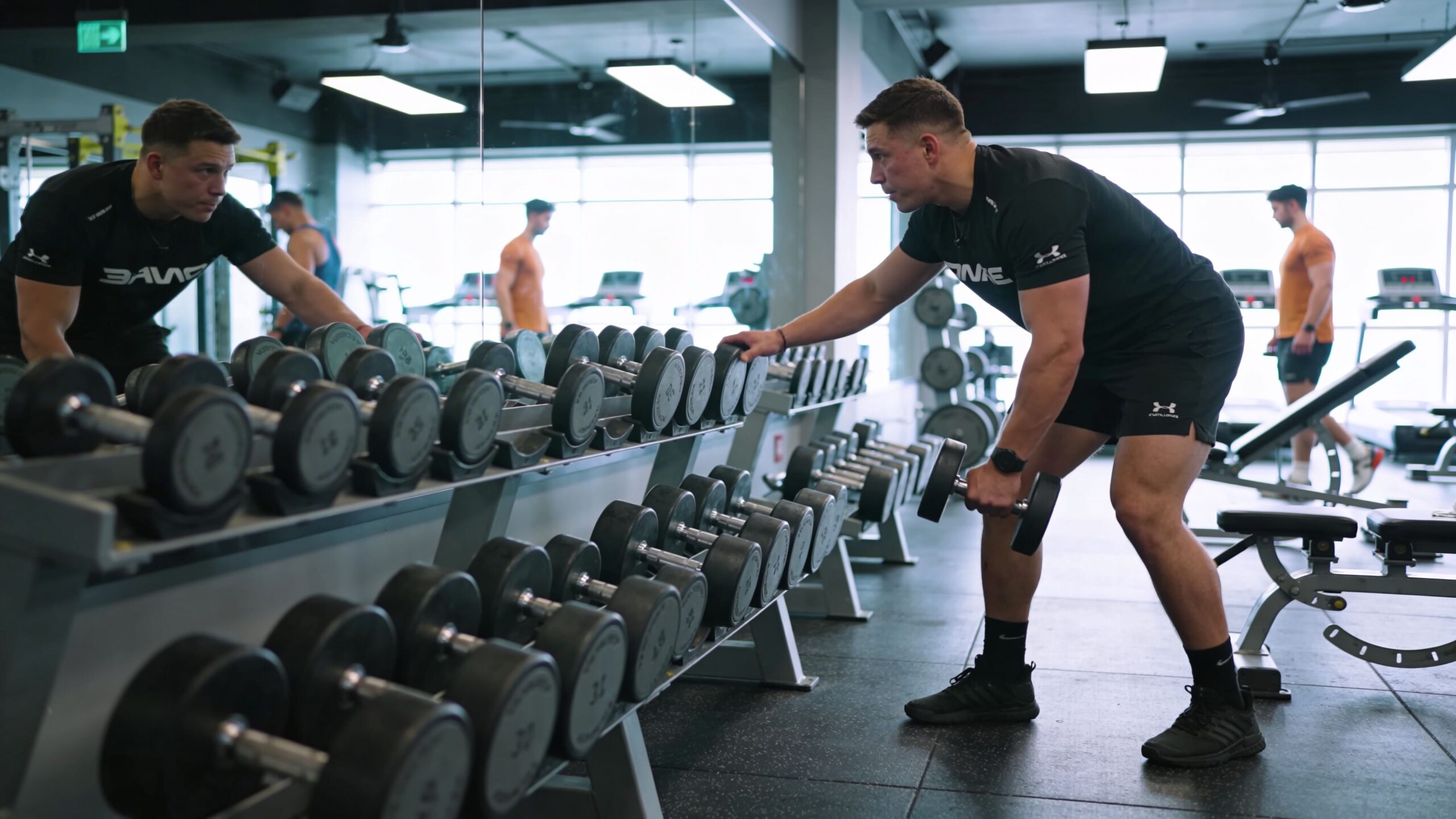
Walking into a gym for the first time can feel like stepping into a completely different world. There’s a rhythm, an energy, and a silent understanding among experienced lifters that isn’t immediately obvious to beginners. While everyone starts somewhere, certain habits and mistakes can instantly signal inexperience. These aren’t just about technique or strength—they’re about awareness, confidence, and understanding the environment. The good news is that most beginner mistakes are easy to fix once you recognize them. The gym is one of the few places where effort and consistency matter more than perfection. However, avoiding common pitfalls can fast-track your progress and help you blend into the culture with confidence. Understanding these mistakes is not about judgment—it’s about leveling up your presence, your performance, and your mindset.
A: Using too much weight with sloppy form is one of the clearest signs of inexperience.
A: It can be if you do not understand the purpose, technique, or whether the exercises fit your goals.
A: Usually no. Most care more about whether you are respectful, safe, and willing to learn.
A: Have a plan, learn the basics, move with intention, and keep showing up consistently.
A: It becomes a problem when it drags out your rests and ties up shared equipment.
A: Sometimes, but they should not replace learning proper technique and bracing first.
A: Good form, calm focus, efficient workouts, and strong gym etiquette matter more than flashy weight.
A: Yes. It is one of the most common beginner patterns and usually hurts overall progress.
A: Very important. It improves readiness, movement quality, and often helps prevent poor first sets.
A: Master the basics, follow a simple plan, recover well, and stay consistent for months instead of days.
Chasing Random Workouts Without a Clear Plan
One of the most noticeable beginner mistakes is wandering through the gym without a structured plan. Moving from machine to machine, trying whatever looks interesting, or copying someone else’s routine without understanding it can make your workouts feel scattered and ineffective.
Experienced gym-goers typically walk in with purpose. They know what exercises they’re doing, how many sets they’ll complete, and what they’re trying to improve. Without a plan, it’s easy to waste time, lose focus, and miss out on meaningful progress. This lack of direction often shows in body language—hesitation, frequent stops, and uncertainty about what to do next.
Developing even a simple routine can completely change your experience. When you know your next move, your confidence increases, your efficiency improves, and your results become more consistent. A clear plan signals that you’re serious about your training, even if you’re just starting out.
Using Poor Form and Ignoring Technique
Nothing stands out more in the gym than poor form. It’s one of the clearest indicators of inexperience and one of the fastest ways to stall progress or risk injury. Beginners often focus too much on lifting heavier weights rather than mastering the movement itself.
Good technique is the foundation of effective training. It ensures that the right muscles are being targeted and that your body moves safely and efficiently. When form breaks down, not only do you lose effectiveness, but you also increase the likelihood of injury.
Experienced lifters prioritize control over ego. They understand that slower, more deliberate movements produce better results than rushed, uncontrolled reps. Taking the time to learn proper form, whether through research, coaching, or observation, is one of the smartest investments you can make in your fitness journey.
Overloading Weight Too Soon
It’s natural to want to lift heavy, especially when surrounded by strong individuals pushing impressive numbers. However, jumping into weights that are too heavy too quickly is a common beginner mistake that can backfire.
Lifting beyond your current ability often leads to compromised form, incomplete reps, and unnecessary strain on your body. It can also slow your progress, as your muscles aren’t being trained effectively. In some cases, it can even lead to injuries that set you back entirely.
Progressive overload is the key to long-term success. This means gradually increasing the weight, reps, or intensity over time. Starting with manageable weights allows you to build a solid foundation, improve technique, and gain confidence. Strength isn’t built overnight, and those who respect the process tend to see the best results.
Spending More Time on Your Phone Than Training
In today’s gym environment, phones are everywhere. While they can be useful for tracking workouts or listening to music, excessive phone use is a clear sign of inexperience. Sitting on a bench scrolling through social media between sets not only disrupts your focus but also inconveniences others who may be waiting.
Experienced gym-goers treat their workouts with intention. Their rest periods are purposeful, and they stay mentally engaged throughout their session. When your attention is constantly divided, your performance suffers, and your workouts become less efficient.
Limiting phone use to essential functions can significantly improve your training. Staying present allows you to maintain intensity, track your progress more effectively, and complete your workout in a timely manner. It also shows respect for the shared space and the people around you.
Ignoring Gym Etiquette and Shared Space
Another common mistake that quickly signals inexperience is neglecting gym etiquette. The gym is a shared environment, and how you interact with that space matters. Leaving weights scattered, failing to wipe down equipment, or occupying multiple machines at once can create frustration for others.
Experienced lifters understand that respect is a core part of gym culture. They re-rack weights, keep their area clean, and remain aware of others. These actions may seem small, but they contribute to a smoother and more positive environment.
Being mindful of your surroundings also includes respecting personal space. Avoid standing too close to someone during their set or interrupting their flow. Awareness and consideration go a long way in building a positive reputation in the gym.
Skipping Warm-Ups and Recovery Work
Many beginners underestimate the importance of warming up and recovering properly. Jumping straight into heavy lifts without preparing your body can increase the risk of injury and reduce performance. Similarly, neglecting recovery practices can slow your progress and lead to burnout.
A proper warm-up prepares your muscles, joints, and nervous system for the demands of your workout. It improves mobility, enhances performance, and reduces the likelihood of injury. Recovery, on the other hand, is where much of the actual progress happens.
Experienced gym-goers understand that training is only part of the equation. They prioritize rest, hydration, and recovery techniques such as stretching and mobility work. Taking care of your body ensures that you can train consistently and effectively over time.
Comparing Yourself to Everyone Around You
The gym can be an intimidating place, especially when you’re surrounded by individuals who appear more experienced or physically advanced. One of the most damaging beginner mistakes is constantly comparing yourself to others.
Everyone in the gym is on a different journey. Comparing your starting point to someone else’s progress can lead to frustration and self-doubt. It can also push you to make poor decisions, such as lifting too heavy or rushing your progress.
Focusing on your own development is far more productive. Tracking your progress, setting realistic goals, and celebrating small wins can help you stay motivated and consistent. Confidence comes from improvement, not comparison.
Building Confidence Through Consistency and Awareness
At the end of the day, the gym is a place for growth. Mistakes are part of the process, but awareness is what transforms those mistakes into progress. The most experienced individuals in the gym were once beginners themselves, learning through trial and error. Confidence isn’t about knowing everything—it’s about showing up consistently and being willing to learn. By addressing common beginner mistakes, you can accelerate your progress and create a more positive experience for yourself and others. The key is to approach the gym with intention, respect, and a willingness to improve. Over time, these habits become second nature, and what once felt unfamiliar becomes part of your routine. The gym is not just a place to build strength; it’s a place to build discipline, awareness, and confidence that extends far beyond the weights.