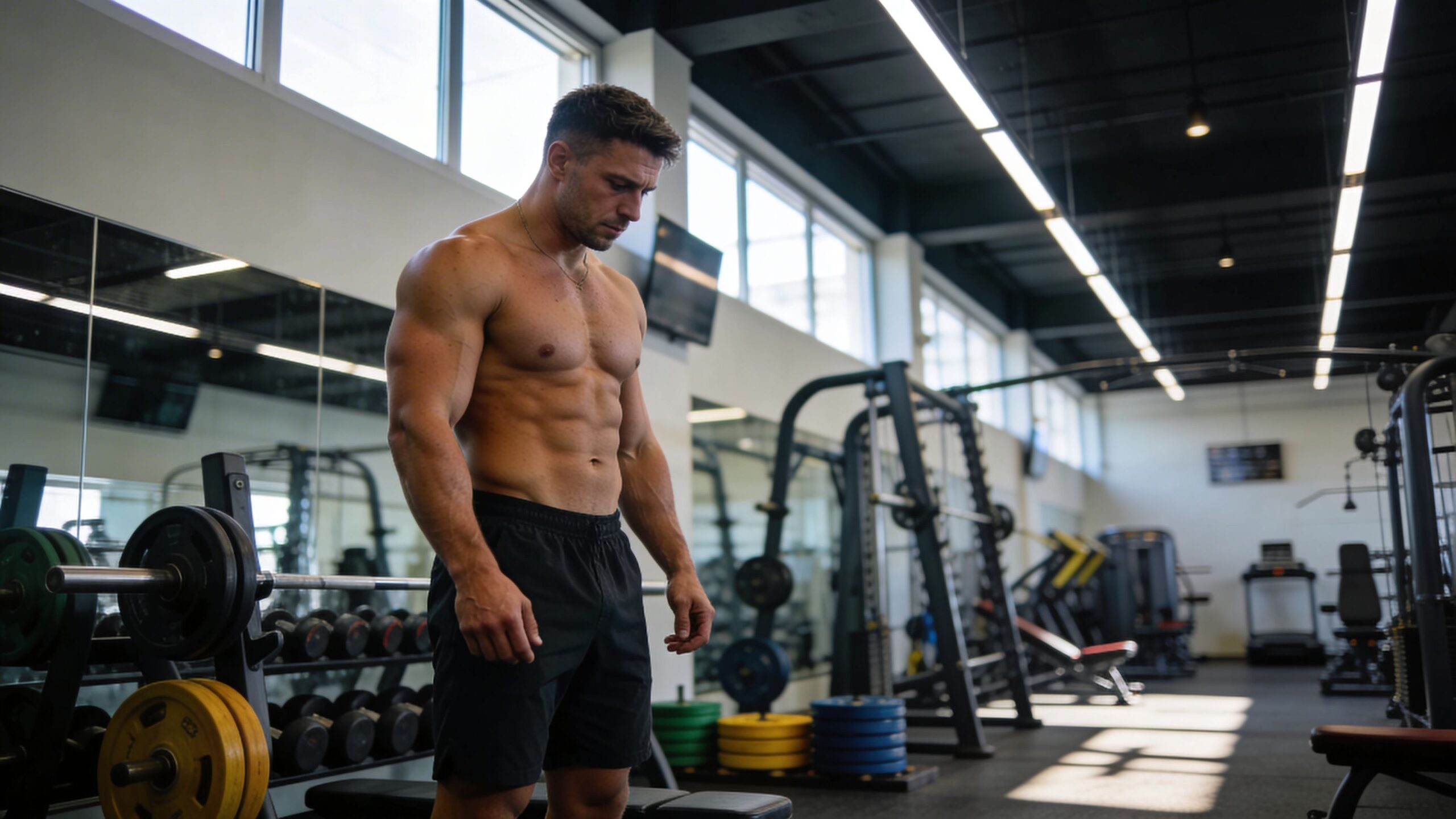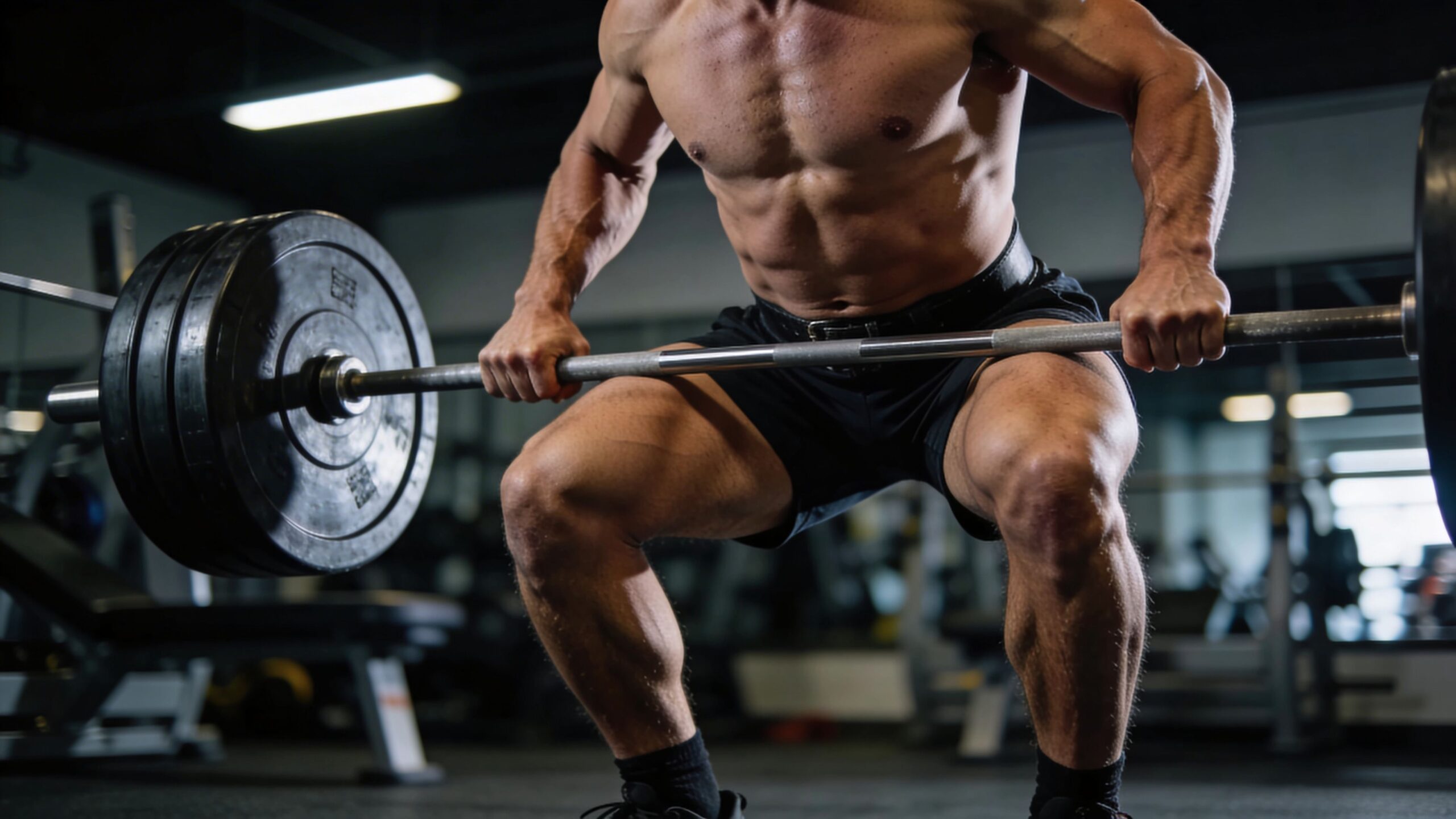
A powerful lower body is the cornerstone of athletic performance, functional strength, and an impressive physique. While upper body development often takes the spotlight, it’s the legs and hips that generate real power, stability, and overall muscle mass. From explosive sprinting and jumping to heavy lifting and everyday movement, a strong lower body supports it all. For men aiming to build both strength and size, lower body training cannot be an afterthought. It requires intention, structure, and a commitment to challenging movements that push your limits. The reward is not just bigger legs, but a more balanced, capable, and resilient body. When trained correctly, the lower body becomes a driving force behind total-body transformation.
A: There is no single best one, but squats, Romanian deadlifts, lunges, and leg presses are some of the most effective staples.
A: Usually five to eight focused movements are enough for a productive strength-and-size session.
A: Yes, many lower body workouts include both so the session stays balanced and complete.
A: No, they are excellent, but most men also benefit from hinges, unilateral work, hamstring curls, and calves.
A: Most men do well with one to two serious lower body sessions per week depending on recovery and overall program design.
A: No, but machines can make it easier to add volume and isolate certain muscles more directly.
A: Yes, they are excellent for strength, muscle, coordination, and exposing imbalances between sides.
A: Around 50 to 80 minutes is common depending on exercise selection, volume, and rest times.
A: Lower body training uses large muscle groups and often creates more systemic fatigue, especially with hard compound lifts.
A: Smart exercise selection, hard effort, balanced movement patterns, and steady progression over time make it work.
The Science Behind Lower Body Muscle Growth
Muscle growth in the lower body follows the same principles as any other part of the body, but the scale and demand are often greater. The legs contain some of the largest muscle groups, including the quadriceps, hamstrings, glutes, and calves. These muscles are capable of handling significant loads, which makes them ideal for building both strength and size.
Hypertrophy occurs when muscle fibers are exposed to mechanical tension, metabolic stress, and controlled damage. Heavy compound lifts create the tension needed for strength development, while higher-rep work contributes to muscle fullness and endurance. Because the lower body can handle heavier weights, it responds especially well to progressive overload.
Another important factor is neural adaptation. As you train, your nervous system becomes more efficient at recruiting muscle fibers, allowing you to lift heavier weights over time. This is why lower body training often leads to rapid strength gains in the early stages. Over time, these gains translate into increased muscle mass when paired with proper nutrition and recovery.
The Power Moves That Build Massive Legs
At the core of any effective lower body workout are compound exercises that engage multiple muscle groups at once. These movements are responsible for the majority of strength and size gains and should form the foundation of your routine.
Squats are widely regarded as the king of lower body exercises. They target the quadriceps, glutes, and hamstrings while also engaging the core and lower back. Variations such as back squats, front squats, and goblet squats allow you to emphasize different aspects of the movement and adapt to your skill level.
Deadlifts are another essential lift, particularly for developing the posterior chain. This includes the hamstrings, glutes, and lower back. Romanian deadlifts, in particular, are highly effective for isolating the hamstrings and improving hip hinge mechanics.
Lunges and split squats introduce a unilateral component, helping to correct imbalances and improve stability. These exercises also place significant stress on the glutes and quads, contributing to both strength and hypertrophy. Leg presses provide a controlled environment for pushing heavy loads, making them an excellent complement to free-weight movements.
These foundational exercises allow you to move the most weight and stimulate the greatest number of muscle fibers, making them indispensable for building a strong and muscular lower body.
Targeting Every Angle: Isolation and Detail Work
While compound lifts drive overall growth, isolation exercises refine and enhance specific muscle groups. They allow you to focus on areas that may not receive enough attention during larger movements and help create a more balanced physique.
Leg extensions are effective for isolating the quadriceps, emphasizing the contraction and helping to build definition in the front of the thighs. Hamstring curls, whether performed lying or seated, target the back of the legs and contribute to both strength and injury prevention.
Glute-focused exercises such as hip thrusts and cable kickbacks are essential for maximizing posterior development. Strong glutes not only improve aesthetics but also enhance performance in nearly every lower body movement. Calf raises, often overlooked, are crucial for developing the lower leg and completing the overall look of the physique.
Isolation work should be approached with control and intention. Slower tempos and a focus on muscle contraction can significantly increase effectiveness, ensuring that each rep contributes to your overall progress.
Structuring a Lower Body Workout That Delivers Results
A well-structured lower body workout balances intensity, volume, and recovery. It begins with heavy compound lifts that require the most energy and focus, followed by accessory movements that build volume and target specific muscles.
Starting your workout with squats or deadlifts allows you to train at your highest capacity. These lifts should be performed with proper form and a focus on progressive overload. As the workout progresses, you can transition into exercises like lunges, leg presses, and Romanian deadlifts to continue challenging the muscles from different angles.
Finishing with isolation movements ensures that each muscle group is fully fatigued. This approach not only maximizes muscle stimulation but also helps prevent imbalances. Training frequency is also important. Working the lower body two times per week provides a strong balance between stimulus and recovery, allowing for consistent growth over time.
Rest periods should be adjusted based on your goals. Longer rest between heavy sets supports strength development, while shorter rest during accessory work increases intensity and metabolic stress. Maintaining this balance is key to building both size and strength.
Progressive Overload: The Path to Bigger and Stronger Legs
Progressive overload is the driving force behind any successful training program. Without it, your muscles have no reason to adapt and grow. For lower body training, this principle is especially important due to the strength potential of the legs.
Increasing the weight you lift is one of the most effective ways to apply progressive overload. However, it’s not the only method. Adding more repetitions, improving your range of motion, and refining your technique can all contribute to progression. Even small improvements over time can lead to significant gains.
Tracking your workouts helps ensure that you are consistently moving forward. By recording your lifts, sets, and reps, you can identify patterns and make informed adjustments. This level of awareness turns training into a purposeful process rather than a random effort.
It’s also important to listen to your body. While pushing your limits is necessary for growth, recovery must not be neglected. Balancing intensity with proper rest ensures that your progress remains sustainable.
Recovery, Nutrition, and the Growth Equation
Lower body workouts are demanding, both physically and mentally. Proper recovery is essential for translating your efforts in the gym into real muscle growth. Without adequate rest, your body cannot repair and strengthen the muscle fibers that were challenged during training.
Sleep plays a critical role in this process. During deep sleep, your body releases hormones that support muscle repair and growth. Consistent, high-quality sleep should be a priority for anyone serious about building strength and size.
Nutrition is equally important. Protein provides the building blocks for muscle repair, while carbohydrates fuel your workouts and replenish energy stores. Healthy fats support hormone production, which is essential for overall performance and recovery.
Hydration and mobility work also contribute to recovery. Staying hydrated supports muscle function, while stretching and mobility exercises help maintain flexibility and reduce the risk of injury. Together, these factors create an environment where your body can thrive and continue progressing.
From Effort to Transformation: Building Legs That Perform and Impress
A lower body workout for strength and size is more than just a routine—it’s a commitment to building a stronger, more capable version of yourself. It requires discipline, consistency, and a willingness to embrace challenging movements that push you beyond your comfort zone. By focusing on compound lifts, incorporating targeted isolation work, and applying progressive overload, you create a framework for continuous improvement. Pair this with proper recovery and nutrition, and the results become inevitable. Strong legs are not built overnight. They are the product of repeated effort, attention to detail, and a long-term mindset. With the right approach, your lower body can become a source of power, balance, and confidence that carries over into every aspect of your life.