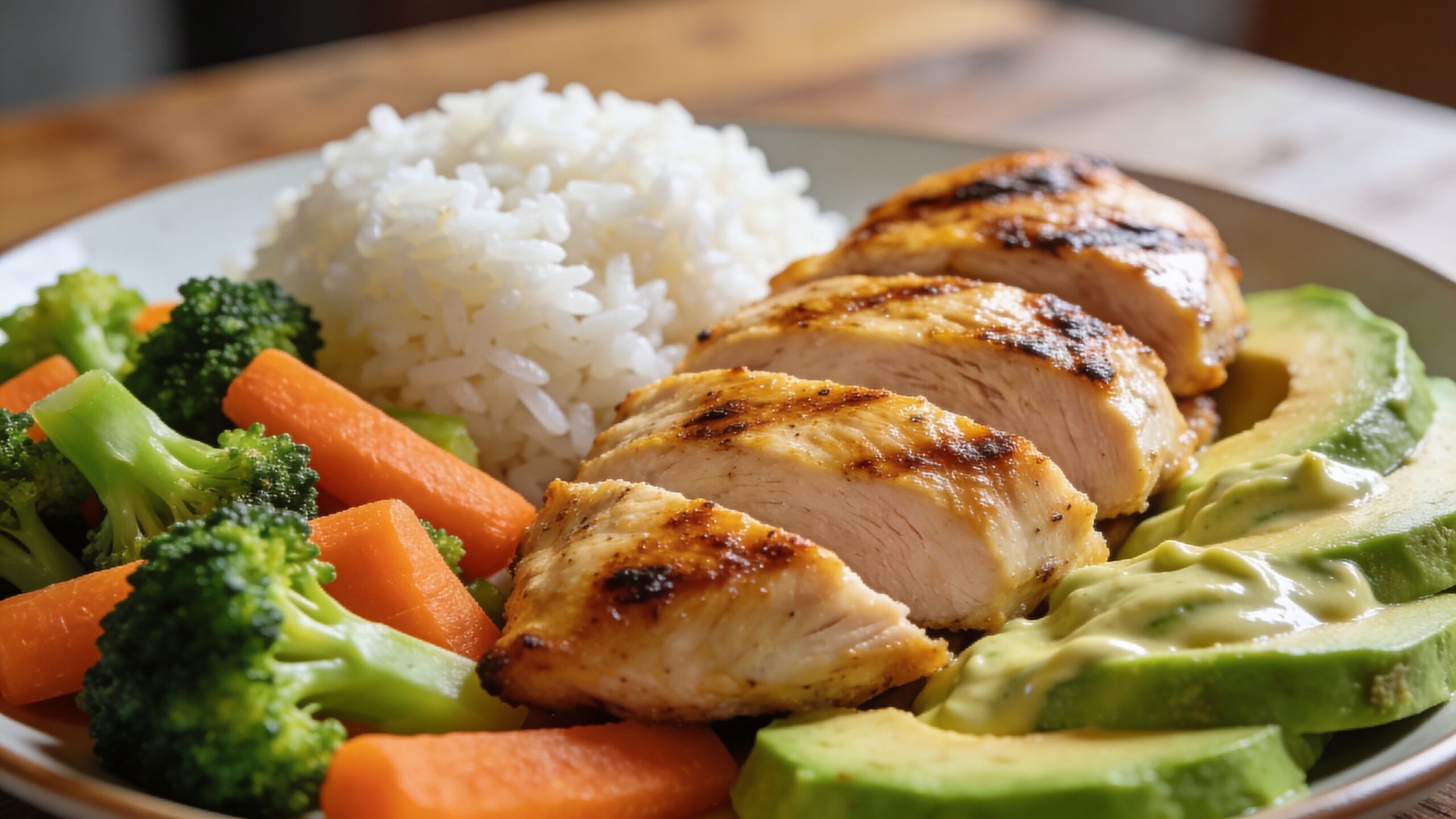
Eating around your workouts is one of the most powerful ways to improve performance, speed recovery, and transform your results over time. Training provides the stimulus for change, but food determines how your body responds to that stimulus. The right pre- and post-workout nutrition strategy can mean the difference between stalled progress and consistent gains in strength, muscle, endurance, and body composition. When you understand what to eat before and after workouts, food becomes a performance tool rather than an afterthought.
A: Carbs + protein with low fat/fiber—think banana + whey, yogurt + fruit, or chicken + rice 2–3 hours before.
A: Not immediately—if you get protein within a couple hours before/after, you’re in a great spot.
A: Some people can, but many perform better with at least a small carb/protein snack beforehand.
A: Lean protein + carbs: rice + chicken, potatoes + steak, or Greek yogurt + fruit.
A: Your meal may be too fatty/fibrous or too large—go smaller and simpler closer to training.
Why Workout Nutrition Changes Everything
Exercise creates stress inside the body. Muscles are broken down, energy stores are depleted, and the nervous system is taxed. Nutrition determines whether that stress leads to positive adaptation or lingering fatigue. Pre-workout meals influence how much energy you bring into a session, while post-workout meals decide how well you recover from it.
Many people train hard but fail to see results because their nutrition does not match their effort. Underfueling before workouts leads to weak sessions and poor focus. Neglecting nutrition after workouts slows recovery and limits progress. When meals are aligned with training, the body becomes more efficient at using calories for repair and growth instead of storing them as fat or burning muscle tissue for energy.
Understanding What Your Body Needs Before Training
Before a workout, your body needs accessible energy and protection against excessive muscle breakdown. The primary goal of a pre-workout meal is to fuel performance. When energy availability is low, strength drops, endurance fades, and technique suffers. This not only reduces training quality but increases injury risk.
Carbohydrates are especially important before training because they provide fast, usable energy for working muscles. Protein also plays a role by supplying amino acids that reduce muscle breakdown during exercise. Fat is less important in the immediate pre-workout window because it digests slowly and does not contribute quickly to performance. A well-structured pre-workout meal helps you train harder, lift heavier, and sustain intensity from the first set to the last.
Timing Your Pre-Workout Meals for Peak Performance
When you eat before training can matter just as much as what you eat. A larger meal consumed several hours before exercise allows time for digestion and provides sustained energy. A smaller meal or snack closer to training should be easy to digest and focused on carbohydrates with some protein.
Eating too close to a workout can cause discomfort, while eating too far away can leave you underfueled. The ideal timing depends on individual digestion, workout intensity, and schedule. Morning workouts may require lighter meals, while afternoon or evening sessions benefit from more substantial pre-workout nutrition. Learning how your body responds to different timing strategies allows you to fine-tune energy levels and consistency in training.
The Role of Post-Workout Nutrition in Recovery and Growth
After a workout, your body enters a recovery phase where it prioritizes repair and replenishment. Muscle fibers damaged during training need amino acids to rebuild stronger. Glycogen stores depleted during exercise must be refilled to prepare for future sessions. Post-workout nutrition directly influences how efficiently these processes occur.
Protein after training stimulates muscle protein synthesis, the process responsible for muscle growth and repair. Carbohydrates help restore glycogen and reduce stress hormones elevated during exercise. Together, they create an internal environment that favors recovery rather than breakdown. Skipping or delaying post-workout nutrition can extend soreness, reduce training frequency, and slow long-term progress.
Carbohydrates, Protein, and Fats After Training
Post-workout meals should focus on nutrients that accelerate recovery without unnecessary excess. Protein is the priority because it supplies the building blocks for muscle repair. Carbohydrates complement protein by replenishing energy stores and improving nutrient delivery to muscle tissue.
Fats are less critical immediately after training because they slow digestion and do not directly support glycogen restoration. This does not mean fats should be avoided entirely, but keeping them moderate post-workout allows protein and carbohydrates to do their job efficiently. When meals are balanced correctly, recovery becomes faster and more predictable, allowing you to train consistently without burnout.
Strength Training Versus Cardio Nutrition Needs
The type of workout you perform influences what your body needs before and after. Strength training places heavy demands on muscle tissue and relies on glycogen for explosive efforts. Pre-workout carbohydrates and post-workout protein are especially important for lifters focused on muscle growth and strength.
Cardio workouts, particularly endurance-based sessions, place greater emphasis on sustained energy availability. Carbohydrates before long sessions help maintain pace and prevent fatigue. After cardio, nutrition supports glycogen replenishment and muscle repair, especially if training frequency is high. For those combining strength and cardio, nutrition must support both performance and recovery without creating excessive calorie intake.
Common Mistakes That Limit Workout Results
One of the most common mistakes is training on an empty tank in the name of fat loss. While fasted training has specific applications, most people experience reduced performance and slower progress when workouts are consistently underfueled. Another mistake is overcompensating after workouts by eating far more than necessary, turning recovery meals into excess calories that slow body composition goals.
Ignoring hydration is another overlooked factor. Dehydration reduces strength, endurance, and focus, while impairing recovery. Relying too heavily on supplements instead of whole foods can also create gaps in nutrition. The most effective strategies are simple, repeatable, and based on real food rather than extremes or shortcuts.
Building a Sustainable Pre- and Post-Workout Routine
The best workout nutrition plan is one you can maintain long term. Consistency matters more than perfection. Meals do not need to be elaborate or expensive, but they should be intentional. When pre- and post-workout nutrition becomes routine, training quality improves automatically. Over time, your body becomes more efficient at using nutrients, recovery improves, and progress accelerates. Strength increases, endurance improves, and body composition shifts in the desired direction. Eating before and after workouts is not about rigid rules, but about supporting the work you put in at the gym. When food and training work together, results stop feeling random and start becoming inevitable. Understanding what to eat before and after workouts gives you control over your progress. Training may build the foundation, but nutrition determines how high you can climb. With the right strategy, every workout becomes an investment that pays off in strength, performance, and long-term results.