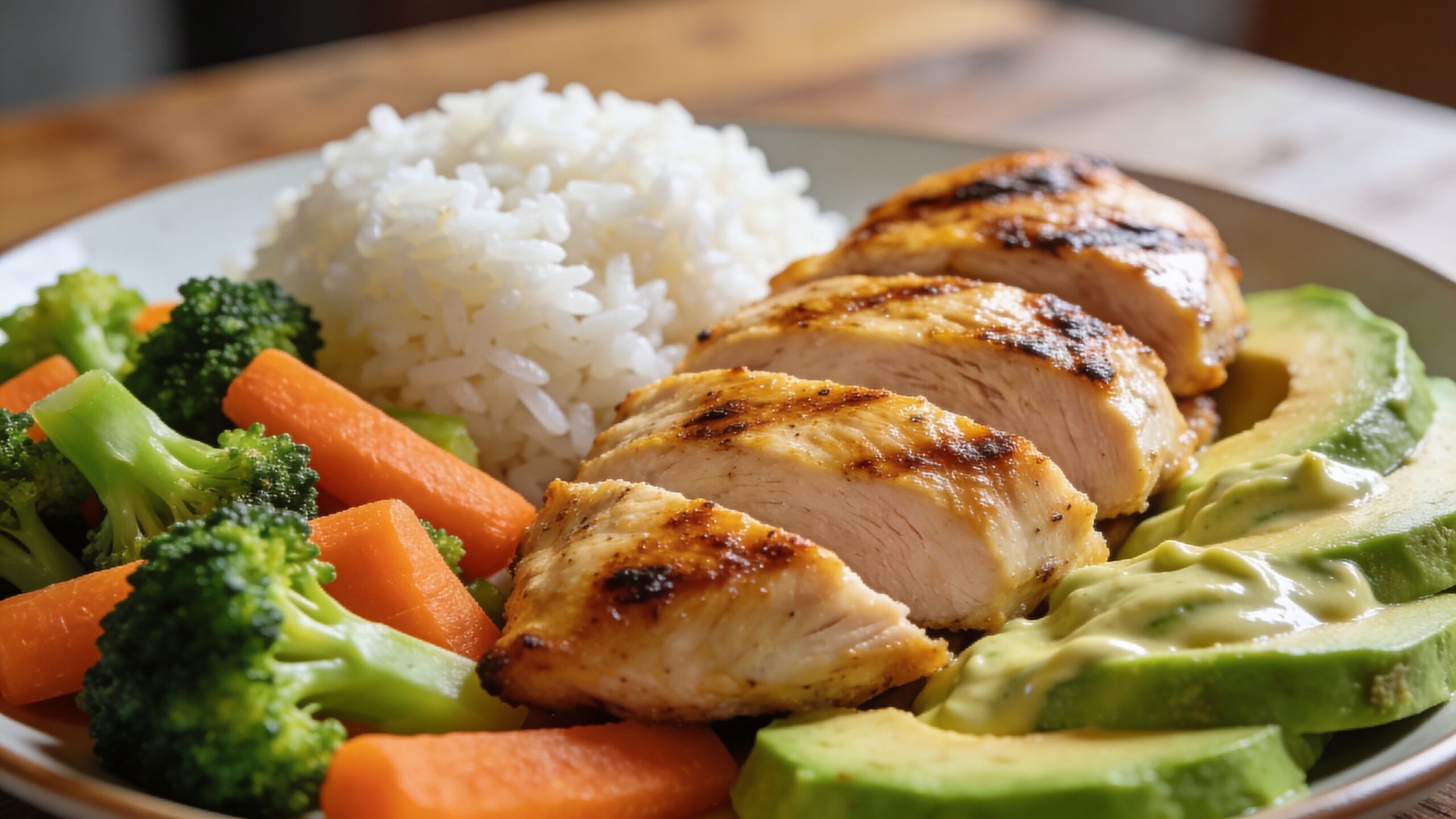
Building lean muscle quickly is not about chasing trendy superfoods or eating endlessly in the name of bulking. For men who want real, visible muscle without excess body fat, food must work with training, hormones, and recovery rather than against them. The right foods accelerate muscle protein synthesis, fuel intense workouts, stabilize energy levels, and help calories get used for growth instead of storage. When nutrition is intentional and consistent, lean muscle gain becomes far more predictable and sustainable.
A: Lean proteins (chicken, turkey, lean beef), dairy (Greek yogurt), eggs, fish, and easy carbs (rice, potatoes, oats).
A: They help a lot—carbs fuel hard training, and hard training is the real muscle builder.
A: Protein + carbs: whey + banana, chicken + rice, or yogurt + fruit—simple and effective.
A: Potatoes, oats, Greek yogurt, lean meats, berries, legumes, and big-volume veggies.
A: Keep the surplus small, measure calorie-dense foods, and keep daily movement consistent.
A: No—its fats can help recovery; just budget the calories and balance with leaner meals.
A: Not required, but they’re convenient—especially when you’re busy or appetite is low.
A: Untracked extras: oils, sauces, snacks, alcohol, and weekend “cheat” meals.
A: Whatever you can sustain—just spread protein across the day so you hit your target consistently.
A: Light-to-moderate cardio and steps can help keep fat gain down without hurting muscle if you recover well.
Fueling the Male Muscle-Building Engine
Men’s bodies are naturally primed for muscle growth thanks to higher levels of testosterone and greater lean mass potential, but those advantages only pay off when nutrition supports them. Muscle growth is an adaptive response to stress, and food determines how well your body responds to that stress. Eating the right foods creates an internal environment where muscle repair is efficient, workouts are productive, and fat gain stays under control.
Fast lean gains come from eating foods that provide high-quality protein, usable energy, and micronutrients that support hormone production and recovery. These foods should enhance performance rather than slow digestion or spike hunger later in the day. When your diet supports training instead of fighting it, progress accelerates without the constant need to diet back down.
Protein-Rich Foods That Drive Real Growth
Protein is the cornerstone of lean muscle gain, but quality and consistency matter just as much as quantity. Foods that deliver complete amino acid profiles help maximize muscle protein synthesis and reduce muscle breakdown. For men looking to build muscle quickly, protein intake should be spread throughout the day to keep growth signals active.
Animal-based proteins are especially effective due to their amino acid density and digestibility. Lean meats provide high protein with minimal excess calories, making them ideal for staying lean while growing. Eggs offer a unique blend of protein and fats that support muscle repair and hormone health. Dairy-based proteins supply slow-digesting amino acids that extend muscle-building benefits beyond the meal itself. When protein intake is consistent and sufficient, the body becomes far more efficient at converting training into muscle.
Carbohydrate Sources That Power Strength and Size
Carbohydrates are the primary fuel for resistance training, and without enough of them, muscle growth slows regardless of protein intake. Hard training depletes muscle glycogen, and replenishing it allows you to train harder, recover faster, and maintain higher training volume over time. The key is choosing carbohydrates that support performance without driving fat gain.
Whole-food carbohydrate sources provide steady energy and essential nutrients that refined carbs lack. These foods digest predictably, help regulate appetite, and refill glycogen efficiently when eaten around training. For men training intensely, carbohydrates are not optional; they are performance tools. When carbs are timed properly and paired with protein, they enhance muscle growth while minimizing fat storage.
Healthy Fats That Support Testosterone and Recovery
Dietary fat plays a critical role in male hormone health, particularly testosterone production. Extremely low-fat diets often lead to stalled progress, low energy, and reduced recovery capacity. Including the right fats helps maintain hormonal balance while supporting joint health and nutrient absorption.
The best fats for lean muscle gain are those that support inflammation control and metabolic health. These fats should complement protein and carbohydrates rather than replace them. Because fats are calorie-dense, moderation is essential, but eliminating them entirely often backfires. When fat intake is balanced, muscle-building hormones remain strong, recovery improves, and overall training output increases.
Micronutrient-Dense Foods That Speed Results
Muscle growth depends on more than calories and macronutrients. Vitamins and minerals play a direct role in energy production, oxygen delivery, muscle contraction, and recovery. Diets lacking micronutrient density often lead to fatigue, stalled progress, and increased injury risk, even when calories are sufficient.
Foods rich in micronutrients support enzymatic processes that allow muscles to grow efficiently. These foods also help manage inflammation and oxidative stress caused by intense training. For men trying to build lean muscle quickly, micronutrient-rich foods act as performance multipliers. They keep the body resilient, improve recovery between sessions, and ensure that calories are actually used for growth rather than repair deficits.
Strategic Eating Around Training for Lean Gains
What you eat matters, but when you eat it can significantly influence body composition. Nutrients consumed around workouts are more likely to be used for muscle repair and glycogen replenishment instead of fat storage. Pre-training meals provide energy and reduce muscle breakdown, while post-training meals kickstart recovery and growth.
A balanced pre-workout meal improves strength output and focus. After training, combining protein and carbohydrates helps shuttle nutrients directly into muscle tissue. Outside of training windows, meals should prioritize satiety and stable energy to prevent overeating later in the day. This strategic approach allows men to gain muscle faster while keeping fat gain minimal.
Avoiding Foods That Undermine Lean Muscle Growth
Just as important as knowing what to eat is knowing what slows progress. Highly processed foods often deliver excess calories with little nutritional value, making it easy to gain fat without improving performance. These foods can disrupt appetite control, impair recovery, and reduce training quality.
Foods that spike blood sugar without providing lasting energy tend to increase cravings and promote inconsistent eating patterns. Alcohol can also interfere with muscle protein synthesis and hormone production when consumed frequently. Lean muscle growth thrives on consistency, and foods that destabilize energy or recovery often delay results rather than accelerate them.
Building Lean Muscle Through Consistent Food Choices
The fastest way to build lean muscle is not through extreme diets or short-term eating plans, but through consistent food choices that align with training demands. Men who focus on high-quality protein, performance-supporting carbohydrates, hormone-friendly fats, and micronutrient-rich foods create the ideal conditions for muscle growth. Progress compounds when food choices remain stable over time. Strength increases, recovery improves, and body composition gradually shifts toward more muscle and less fat. Lean muscle is built meal by meal, workout by workout, and week by week. When food becomes a strategic ally rather than a guessing game, muscle growth accelerates in a way that looks athletic, powerful, and sustainable.