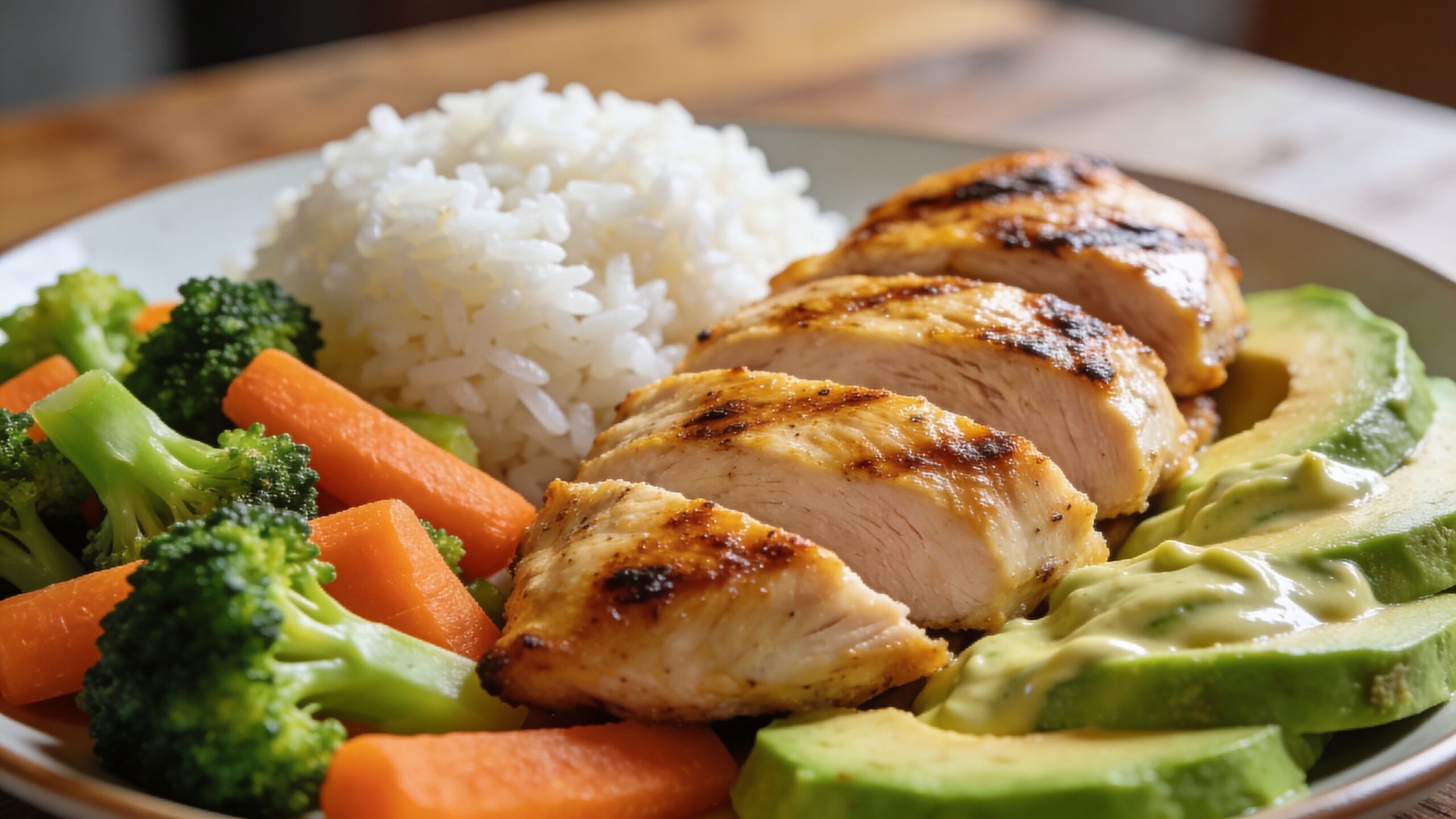
Eating for muscle growth without unwanted fat gain is one of the most misunderstood goals in fitness. Many people assume you must choose between getting bigger or staying lean, but the truth lives in the details of how you eat, not just how much. Muscle growth is a biological process driven by training stimulus, recovery, and nutrition working in harmony. When food quality, timing, and energy balance are aligned correctly, you can support lean muscle gains while keeping fat gain minimal and manageable. This approach is not about extremes or deprivation, but about precision, patience, and consistency.
A: Use a small surplus, keep protein consistent, and push performance in the gym—adjust slowly, not drastically.
A: Enough to hit your daily target consistently; spread across meals so you’re not trying to “catch up” at night.
A: Usually yes—put more carbs around lifting and keep rest days slightly tighter to keep the bulk clean.
A: No—consistent overeating does. Carbs often improve training; uncontrolled snacking is the real culprit.
A: Surplus is likely too high, weekends are drifting, or activity is low—tighten accuracy and adjust 100–200 calories.
A: No—muscle grows from training + enough fuel. Dirty bulks mostly grow the waist.
A: Slow and steady is the move; use weekly averages and aim for a controlled trend rather than big jumps.
A: Light-to-moderate cardio and daily steps can help keep fat gain in check without hurting muscle growth.
A: For most healthy lifters it’s one of the best-studied supplements for strength and training volume.
A: Not measuring the calorie “extras” (oils, snacks, drinks) and then blaming genetics.
Understanding the Muscle-Building Sweet Spot
Muscle is built when your body receives a signal to grow and the raw materials to respond. Resistance training creates the signal, while nutrition provides the resources. The mistake many people make is assuming more food always equals more muscle. In reality, the body can only build muscle at a limited rate, and calories beyond that capacity are stored as fat. The goal is to sit in a small, controlled calorie surplus that fuels performance and recovery without overwhelming your metabolism.
This sweet spot is highly individual. It depends on training experience, body size, activity level, and genetics. Beginners can often gain muscle with little to no surplus, while experienced lifters typically need a modest increase in calories. The key is gradual progress rather than rapid weight gain. If the scale is climbing too fast, fat gain is likely part of the picture. A slow, steady increase paired with visible strength improvements usually signals that nutrition is supporting muscle rather than excess storage.
Protein: The Non-Negotiable Foundation
Protein is the structural material of muscle, and without enough of it, growth simply does not happen. Adequate protein intake supports muscle protein synthesis, repairs training-induced damage, and helps preserve lean mass during periods of higher activity. Eating enough protein also improves satiety, which naturally reduces the risk of overeating calories that could lead to fat gain.
Spacing protein intake throughout the day is just as important as total intake. Muscles respond best to repeated doses rather than one large serving. Regular meals with sufficient protein help keep muscle-building processes active and reduce muscle breakdown. High-quality protein sources that provide essential amino acids support this process most efficiently. When protein intake is consistent and adequate, calories are more likely to be directed toward muscle repair and growth instead of being stored as fat.
Carbohydrates as a Performance Tool, Not an Enemy
Carbohydrates often get blamed for fat gain, but they play a critical role in muscle building. Carbs fuel intense training sessions by replenishing muscle glycogen, the primary energy source for resistance exercise. When glycogen levels are low, performance suffers, training volume drops, and the muscle-building signal weakens.
The difference between productive carb intake and fat-promoting intake lies in timing and quality. Carbohydrates consumed around training are more likely to be used for energy and recovery rather than stored as fat. Whole-food carbohydrate sources provide fiber and micronutrients that slow digestion and stabilize blood sugar, helping control appetite. When carbs are eaten strategically, they enhance training output, improve recovery, and indirectly support lean muscle gains without pushing calories into excess territory.
Fats, Hormones, and the Balance That Matters
Dietary fat is essential for hormone production, joint health, and nutrient absorption. Cutting fat too aggressively can negatively impact testosterone levels, recovery, and overall well-being, all of which can stall muscle growth. At the same time, fat is calorie-dense, making it easy to overshoot your calorie needs if intake is not monitored. A balanced approach works best. Including healthy fat sources supports hormonal health while keeping total intake in check. When fats are consumed in reasonable amounts alongside adequate protein and carbohydrates, they contribute to a stable energy intake that supports muscle growth without excessive fat accumulation. The goal is balance rather than elimination, allowing fat to play its role without dominating your calorie budget.
Timing Meals to Work With Your Training
When you eat can be nearly as important as what you eat when it comes to body composition. Nutrients consumed before training provide energy and reduce muscle breakdown, while nutrients after training support recovery and muscle repair. This window does not need to be rigid or extreme, but aligning meals around workouts improves nutrient partitioning, meaning more calories are directed toward muscle rather than fat storage.
Pre-workout meals that include protein and carbohydrates help you train harder and longer. Post-workout meals replenish glycogen and kickstart muscle repair. Outside of training windows, meals should focus on steady energy and satiety. This rhythm helps control hunger, supports consistent performance, and prevents the overeating that often leads to unwanted fat gain.
Managing Calorie Surplus Without Losing Control
A calorie surplus is necessary for muscle growth, but it does not need to be large. In fact, smaller surpluses are often more effective over time because they minimize fat gain and are easier to sustain. Think of your surplus as a tool, not a license to eat without limits. Small adjustments made consistently produce better long-term results than aggressive bulking phases followed by drastic dieting.
Tracking progress is essential. Strength gains, workout performance, body measurements, and visual changes tell a clearer story than the scale alone. If fat gain starts to outpace muscle growth, a slight reduction in calories can bring things back into balance without halting progress. This feedback-driven approach allows you to stay lean while continuing to build muscle over months rather than weeks.
Recovery, Consistency, and the Long Game
Muscle growth does not happen overnight, and neither does fat gain when habits are controlled. Sleep, stress management, and recovery all influence how your body uses the food you eat. Poor sleep increases hunger, disrupts hormones, and reduces training quality, making fat gain more likely even with a well-structured diet. Consistent recovery supports better nutrient use and more efficient muscle repair. The most successful approach to eating for muscle growth without getting fat is one you can maintain long term. Extreme diets and rigid rules often lead to burnout or rebound weight gain. A flexible, informed strategy built around quality food, smart timing, and gradual progress allows your physique to evolve without constant cycles of bulking and cutting. Over time, this approach produces a leaner, stronger body that reflects discipline rather than extremes. Building muscle while staying lean is not about perfection, but about intention. When nutrition supports training instead of overpowering it, muscle growth becomes predictable and fat gain stays under control. By respecting your body’s limits, fueling it intelligently, and staying consistent, you can build strength and size in a way that looks as good as it feels.