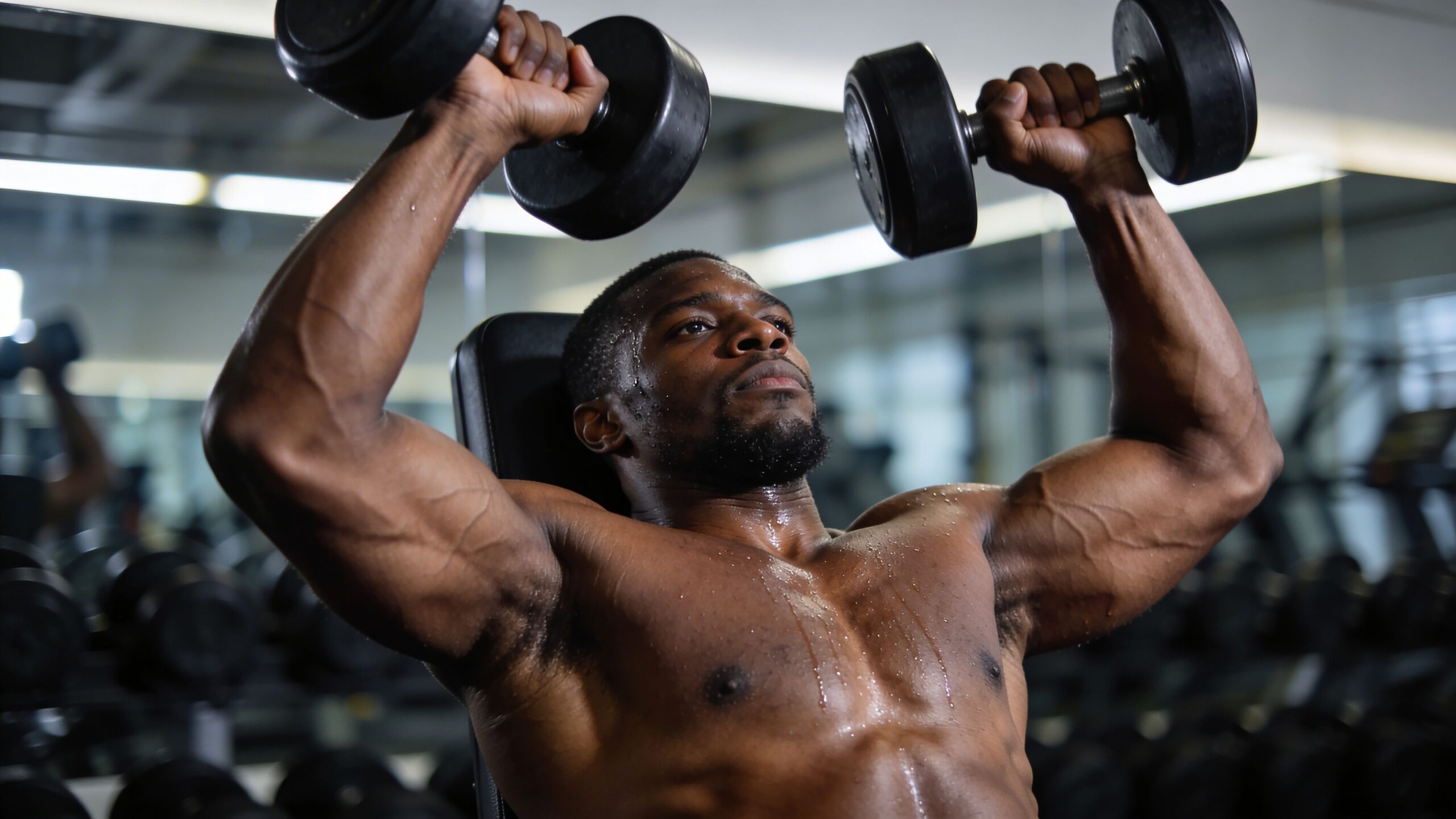
Building muscle while burning fat at the same time has long been treated as a contradiction, as if the body must choose one goal or the other. In reality, recomposition is not only possible for men, it is highly achievable when training, nutrition, and recovery are aligned. The key is understanding how the body uses energy, responds to resistance, and adapts to stress. Men who succeed at building muscle and losing fat simultaneously don’t rely on extremes. They follow smart systems that stimulate muscle growth while encouraging the body to tap into stored fat for fuel. When approached correctly, recomposition delivers a leaner, stronger, more athletic physique without the frustration of endless bulking and cutting cycles.
A: Yes—especially beginners, men returning after a break, or men with extra body fat. It’s called recomposition.
A: Start near maintenance or a small deficit, keep protein high, and push progressive overload.
A: A practical range is ~0.7–1.0g per pound of bodyweight daily, spread across meals.
A: Keep it moderate: 2–3 sessions weekly (20–30 minutes) plus a higher daily step count works well.
A: A compound-focused program with steady volume and sets close to failure—upper/lower is a great default.
A: You’re likely gaining/retaining muscle while losing fat—use waist, photos, and strength as key metrics.
A: Slow is best—roughly 0.5–1.0% of bodyweight per week (often less for recomp) keeps performance steadier.
A: Not required, but creatine, protein powder, and caffeine can help you train harder and recover better.
A: Most men notice changes in 6–12 weeks if training, protein, and steps are consistent.
A: Cutting too hard—performance crashes, hunger spikes, and muscle-building signals fade. Go slower and lift hard.
Why Muscle Gain and Fat Loss Can Happen Together
Muscle growth requires a stimulus and the raw materials to repair and grow tissue, while fat loss requires a controlled energy deficit. The overlap happens when training signals the body to prioritize muscle preservation and growth, even while calories are slightly restricted. Resistance training sends a powerful message to retain lean mass, while adequate protein intake supplies the building blocks needed for repair. At the same time, fat becomes the preferred energy source to make up for the modest calorie shortfall.
Men who are new to training, returning after time off, or carrying moderate body fat tend to see the fastest recomposition results, but even experienced lifters can achieve it with precise execution.
Training for Recomposition Instead of Just Burning Calories
Workouts designed for recomposition focus on muscle stimulation first, not calorie burn. Heavy compound movements such as squats, presses, rows, and deadlifts recruit large muscle groups and create the hormonal environment needed for growth. These lifts increase muscle tension, which is the primary driver of hypertrophy. Accessory movements refine development and balance the physique, but they support the foundation built by compound exercises. Cardio plays a role, but it is strategic rather than excessive. Short, intense conditioning sessions or low-intensity movement enhance fat loss without interfering with strength and recovery. When training prioritizes muscle, fat loss follows more naturally.
Nutrition That Fuels Muscle While Stripping Fat
Nutrition is where recomposition either succeeds or fails. Men looking to build muscle and burn fat at the same time benefit from a slight calorie deficit rather than aggressive restriction. Protein intake must be high enough to support muscle repair and growth, while carbohydrates are timed around training to fuel performance. Fats support hormonal health and help regulate appetite.
Rather than cutting entire food groups, successful recomposition diets focus on nutrient-dense foods that support training output and recovery. Consistency matters more than perfection, and meals should support long-term adherence rather than short-term deprivation.
The Role of Progressive Overload During Fat Loss
One of the biggest mistakes men make when trying to lose fat is letting strength decline. Progressive overload remains essential even during recomposition. Lifting slightly heavier weights, performing more reps, or improving control and technique keeps the muscle-building signal strong. When strength is maintained or increased during a fat-loss phase, it is a strong indicator that muscle is being preserved or even built. Tracking lifts provides objective feedback and prevents drifting into maintenance workouts that burn calories but fail to challenge muscle tissue.
Hormones, Recovery, and the Silent Factors of Success
Hormonal balance plays a critical role in the ability to build muscle and burn fat simultaneously. Sleep quality, stress levels, and recovery habits directly influence testosterone, cortisol, and insulin sensitivity. Chronic stress and poor sleep elevate cortisol, which makes fat loss harder and muscle gain slower. Adequate rest allows muscles to recover, hormones to stabilize, and training performance to remain high. Men who prioritize recovery often see faster recomposition than those who train harder but recover poorly. Smart training plans include rest days not as a weakness, but as a strategic advantage.
Cardio is often misunderstood in recomposition programs. The goal is not to burn as many calories as possible, but to improve metabolic health and support fat loss without interfering with muscle growth. Low-intensity activities such as walking increase daily energy expenditure and improve recovery. Short bursts of high-intensity work improve conditioning and insulin sensitivity without excessive muscle breakdown. Excessive endurance training, however, can compete with muscle-building signals. The most effective cardio complements resistance training rather than competing with it.
Turning Recomposition Into a Sustainable Lifestyle
Building muscle and burning fat at the same time is not a quick fix, but it is a powerful long-term strategy. The men who succeed focus on habits rather than hacks. They train with intent, eat to support performance, sleep consistently, and measure progress beyond the scale. Visual changes, strength increases, and how clothes fit often reveal success before bodyweight does. Recomposition rewards patience and precision, but the payoff is a physique that looks athletic, strong, and lean year-round. When the process becomes sustainable, results stop feeling temporary and start becoming part of who you are.